Nigeria is a profoundly unsafe place for LGBTQI+ people. Federal law criminalizes any form of same-sex relationship, public display of affection, or marriage, with penalties of up to 14 years in prison. It also prohibits the registration, operation, and participation in LGBTQ+ clubs, societies, or organizations, with a penalty of 10 years in prison for supporters or members. In communities, these laws, based on political scapegoating, translate into extreme discrimination, violence, and extortion.
Despite this hostile climate, the non-governmental organization CHIYN supports safe spaces, health services, and economic empowerment programming for the most marginalized in LGBTQI+ communities in North Central Nigeria. They offer health education, HIV prevention / testing / treatment services, mental health services, housing for homeless youth, economic empowerment training, and job placement activities. Last year, the Rustin Fund helped CHIYN purchase their own building–a key step in its road to self-sustainability.
In operation for over 10 years and led by LGBTQI+ community members, CHIYN understands its communities’ needs and advocates for greater rights and services so that all Nigerians might enjoy their human rights. They also work with health and other social service providers to increase their capacity to serve LGBTQI+ youth.
With the impact of devastating cuts in USAID support, CHIYN has identified a $7,600 budget deficit to maintain serving over 4,500 community members. The Rustin Fund is partnering with CHIYN to make up the shortfall and help CHIYN continue to deliver its life-saving services.
Will you support CHIYN with a tax-deductible donation?
“The board of directors retains discretion over the use of funds.”
COPTEC is a trans-led community organization in Uganda that has long provided life-saving HIV services to marginalized populations.
COPTEC focuses on educating our members about positive life choices that promotes long healthy lives — that’s why we have economic empowerment activities so that transwomen don’t generate money only through sex work but still can work and get paid through poultry and sponge making.
Today, amid aid cuts, COPTEC is taking a strategic and urgent step to protect its mission by building sustainable, community-owned income streams. Through its Village Savings and Loan Association (VSLA), COPTEC is transitioning toward social enterprise, ensuring continuity of HIV services while strengthening dignity, self-reliance, and economic resilience for its members.
We are seeking catalytic support to launch two practical, high-demand enterprises:
Sponge making and
Poultry rearing.
These businesses are accessible to all VSLA members, generate quick returns, and reinvest profits to scale operations over time. Sponge production will begin with 500 units sold locally, while poultry rearing will scale to 1,000 hens, creating steady income, reinforcing teamwork, and strengthening ties with the surrounding community. An investment in COPTEC is not only a contribution to livelihoods, but also a direct investment in sustaining trans-led HIV services when they are needed most.
Your donations will provide the initial funds for COPTEC get started with the sponge making and poultry rearing.
“The board of directors retains discretion over the use of funds.”
Since 2017, the regional government of Chechnya has pursued a “blood cleansing” campaign against LGBTQ+ citizens. There is no way to know how many have been tortured or killed – too often, known and suspected queer Chechens simply disappear. But hundreds have been able to escape with help from the North Caucasus Crisis Response Group(or NC SOS) – whose dangerous and urgent efforts are featured in the award-winning HBO documentary WELCOME TO CHECHNYA by filmmaker (and new NC SOS board member) David France.
Despite international sanctions, Chechnya’s genocidal campaign persists and has spread to other Russian republics. And now, in a terrible escalation, Chechen officials have begun hunting our beneficiaries even after we have helped resettle them outside of Russia. Last October, agents tracked a 23-year-old defendant in neighboring Armenia and murdered her. And in November, a 33-year-old lesbian was intercepted at an airport in the Georgian capital as she was fleeing; she turned up dead a few days later back in Chechnya.
No other initiative in the world is taking on such a perilous mission to save the lives of LGBTQ+ people. Because of our successes, the Kremlin has branded us as “foreign agents,” blocked our website inside Russia, and forced most of us into exile. Making matters worse, the collapse of all US foreign assistance has plunged us into a funding crisis. But we cannot stop this work.
We need your help. To continue saving lives, we must raise at least $275,000 in 2026. Please make your tax-deductible donation here.
“The board of directors retains discretion over the use of funds.”
PHOTO CAPTIONS
TOP:Maxim Lapunov became the first to go public about Chechnya’s official war on gays.
ABOVE, CLOCKWISE FROM TOP LEFT: Chechen officers attack a man accused of kissing another man, in a scene from “Welcome to Chechnya.” Torture victim Amin Dzhabrailov, whom we helped resettle in Canada in 2019, speaks out against the regime. Presumed dead: (from top left) Aliya Ozdamirova, Zelim Bakaev, Aishat Baimuradova, and Seda Suleimanova. Beneficiaries Ismail Isaev, who is gay, and his gender non-conforming brother Salekh Magamadov are serving long and brutal sentences in Chechnya. And NC SOS director David Isteev, as seen in “Welcome to Chechnya,” now carries out his work in exile.
MPEG is a community-led health and human rights organization – serving gay men and other men who have sex with men with lifesaving HIV treatment and prevention services, as well as other health programming such as mental health. We operate a drop-in center that helps our community access services, as well as form a sense of solidarity and community.
Following the U.S. administration’s foreign aid freeze in January 2025, across Kenya health services experienced significant disruptions. Since so many programs that were heavily reliant on U.S. support were abruptly halted, with the greatest impact on the most marginalized communities–like us! Many of us lost access to health and other social services, interrupting access to anti-retroviral treatments. We literally lost members of our community due to this abrupt cancellation.
However, MPEG refuses to close! Like our beginning where we formed with our own members’ resources, we continue to keep the lights on and serve our communities. Over the years, MPEG has created safe and inclusive spaces, reduced stigma and discrimination, expanded access to services, and established functional community clinics that serve as vital havens—particularly in our most conservative setting where equitable healthcare access remains limited.
Below are three self-reported examples of comment members
Case 1 – Anonymous Client “I had to borrow money and travel from Kangema (Murang’a County) to the MPEG drop-in center in Thika while experiencing severe pain, discharge, and itching, only to find the clinic closed and no providers available. I had to stay overnight with a friend and then travel another 50 kilometers to Nairobi the next day to access limited care at a remotely operating community clinic. It was horrible, as i experienced intense shame, pain, and stigma, including being required to disinfect bedding due to my condition; as well as now being in debt to several others.”
Case 2 – Anonymous Client “I desperatelyneeded treatment for anal warts and a refill on my HIV anti-retroviral therapy (ART). With the MPEG clinic closed, I had to go to a government-run facility near MPEG in Kiambu. It was so difficult as I was publicly humiliated by a nurse, who denied services and made stigmatizing remarks about the loss of “privileges” previously provided by community programs. I felt embarrassed, dehumanized, and ashamed; and still have this issue of anal warts and no ARVs!”
Case 3 – Anonymous Client “I was verbally harassed by strangers while returning to my dorm room after church. I heard some men start calling me names, with the situation escalating into a mob-like threat involving some motorbike riders. I tried to run away, but two of the harassers dragged me toward a thicket and made threatening, sexually violent remarks and warned me to relocate out that areas soonest to avoid recruiting young men into homosexuality. Because the program no longer exists, I could not contact the MPEG safety and security peer educator team. I fled my home in fear and stayed with friends. It’s been so difficult, as I’m constantly fearful, feel hopeless, and have nowhere to report such incidents due to fear of further humiliation by police and other government authorities.”
Case 4 – Anonymous Client
A long-term HIV-positive client with severe anal warts required urgent surgery after the closure of an MPEG-supported community clinic in Murang’a County. Unable to afford private care, MPEG staff mobilized internal resources to subsidize the procedure. During recovery, the client was temporarily hosted by an MPEG staff member with a wife and family, who provided safe accommodation. However, while physically supported, the client reported emotional distress due to discomfort and perceived stigma in the household.
These cases highlight the critical role that community-led organizations like MPEG continue to play in bridging healthcare gaps for the most marginalized populations, especially when external funding constraints limit access to essential and affirming medical services.
We estimate we need to raise $20,000 to cover bare expenses for the next year. Can you help us! From the MPEG family–a small or large donation during this holiday period can save us the embarrassment of accessing health services, walking long distances, reduce stigma and discrimination, protect lives and retain our clinical staff and operational costs.”
Wipe our tears, stand with MPEG as we resource
“The board of directors retains discretion over the use of funds.”
Photo #1: Conducting Grassroots HIV outreaches in the rural areas.
Jamaica has just endured one of its worst natural disasters with the passage of Category 5 Hurricane Melissa. The damage and disruptions across central and western parishes are immense—flooding, road blockages, power outages, loss of buildings/homes, mass evacuations, and tragic loss of life.
LGBTQI+ Jamaicans are especially vulnerable, as one in three has experienced homelessness or displacement. Unfortunately, government-led relief efforts do not always work well for our communities, as many LGBTQI+ Jamaicans are afraid to access public services due to fear and the lived reality of discrimination—over a third report they would avoid emergency aid for this reason.
Equality for All Foundation Jamaica (formerly J-FLAG), a 26-year-old social justice organization, is mobilizing to support LGBTQ+ Jamaicans affected by the hurricane. Following our relief efforts after Hurricane Beryl last year, we are now seeking to raise US$25,000 to provide emergency assistance (e.g., transportation to safe shelter, housing, clothing, and rebuilding efforts) for those most in need but too afraid to seek help elsewhere.
Please, what you can – $10, $100, $1000 — all will help us meet the needs of our communities in this time of great need!
“The board of directors retains discretion over the use of funds.”
In Nepal, HIV most notably affects transgender people and gay, bisexual, and other men who have sex with men, with added burden among sex workers from these groups; in response to this, over the past two decades, civil society has built a robust response in meeting the unique health needs of each of these stigmatized groups. For example, under the leadership of the Blue Diamond Society (BDS), Nepal’s first and oldest LGBTQI+ organization, over 6800 individuals are annually reached with HIV prevention, treatment, care, and support services, saving thousands of lives.
However, a few months ago the US government terminated HIV programing for our communities, and the BDS was forced to close 20 community clinics serving communities in 21 districts throughout Nepal; tossing hundreds of service receivers off lifesaving HIV treatment services, and closing safe space drop-in centers for community members to receive other critical health services, including HIV/STI testing, distribution of condoms and lubricants, HIV pre-exposure prophylaxis services, mental health screening, counselling and referral for treatment; and home based care for community members hard to reach. These programs were effective because they were delivered by our communities and addressed social determinants of health–offering stigma and discrimination reduction interventions, economic empowerment efforts, and simply put a place for community members to be themselves, dress up, and put on makeup in a social context where Queerness is still not accepted. With these disruptions in services, especially among urban centers along the Indian border, it is expected that a public health crisis will grow, increasing HIV morbidity and mortality among other health challenges.
To address this urgent need, BDS proposes a revitalized and integrated program that builds on our existing highly efficient and low-cost awareness efforts by deploying one peer navigator in each of the 21 previously served districts. These trained peer navigators are from communities impacted by HIV and they play a vital role as counselors and peer leaders who provide support to HIV treatment anti-retroviral treatment (ART) initiation of the newly diagnosed people living with HIV including partner-testing services, screening and prevention of interruption of treatment while also delivering home-based care and adherence support for people living with HIV who cannot leave their home or make it to HIV treatment centers. Peer navigators will also provide stigma and discrimination reduction sessions, ensuring friendly services for people living with HIV, diverse genders, and youth are available at government-run ART centers. This approach not only sustains vital services with limited resources but also ensures that our communities are not left behind in Nepal’s national HIV response.
“The board of directors retains discretion over the use of funds.”
Emergency housing, legal support, research, and crisis response for the LGBTQ+ community in Nigeria
Equilibrium Initiative Nigeria (EIN) (www.ein4queeryouths.org) is a youth-led non-profit organization committed to advancing the rights of young lesbian, gay, bisexual, transgender, queer, and intersex LGBTQI+ individuals in Nigeria.
Established in 2018, EIN has become a significant advocate for the empowerment and protection of LGBTQI+ youth, particularly in the Niger Delta region. Through targeted initiatives and grassroots activism, EIN works towards ensuring that LGBTQI+ youth can live with dignity, free from discrimination and violence in a society that frequently marginalizes them.
To sustain and support our work, EIN is seeking funding from the Rustin Fund to support our ongoing initiatives and needs. Donations and funding will go to our key focus programs:
Legal Support for the Nigerian LGBTQI+ Community
EIN has been at the forefront of advocacy and litigation for LGBTQI+ rights in Nigeria, offering legal support to over 270 individuals facing discrimination and violence. By taking legal action and offering strategic representation, EIN has secured the release of 69 LGBTQI+ youth wrongfully imprisoned due to their sexual orientation or gender identity. This work highlights EIN’s dedication to challenging unjust legal frameworks and ensuring LGBTQI+ individuals can exercise their rights without fear of legal persecution.
Emergency Housing and Support
EIN provides a lifeline to homeless LGBTQI+ youth in the Niger Delta region. Over 60 individuals, including lesbian and transgender youth, have benefited from EIN’s emergency housing programs. These programs go beyond shelter, offering essential services such as medical care, psychosocial counseling, and life skills training to help youth transition into safer and more stable living conditions. EIN’s holistic approach ensures the physical, emotional, and social needs of LGBTQI+ youth are met.
Crisis Response and Strategic Development
EIN’s commitment to swift and effective responses in times of crisis is a core aspect of its work. Whether responding to individual incidents or larger systemic challenges, EIN is prepared to intervene in critical situations. The organization also works on developing strategic frameworks that address long-term challenges, ensuring that LGBTQI+ youth’s rights are considered in national and local policies. This work ensures that interventions are sustainable and well-coordinated, benefiting a wide network of LGBTQI+ individuals.
Event Organization, Community Mobilization, and Empowerment EIN believes that true change comes from within the community. The organization has made significant efforts in community mobilization and empowerment, reaching over 400 LGBTQI+ youth through public education campaigns, workshops, and community organizing. These initiatives are designed to build solidarity among LGBTQI+ individuals and empower them to advocate for their rights, ensuring they can thrive both individually and as a community.
“The board of directors retains discretion over the use of funds.”
The new US administration has issued numerous executive orders and taken several concrete steps to undermine and eliminate federal (USAID, or the US Agency for International Development) support to the world’s most marginalized communities. Almost overnight, a series of legally ambiguous actions curtailed most funding that supported the health, safety and security, economic empowerment, and advocacy for the rights of LGBTQI+ people globally.
In response, the Rustin Fund has been in dialogue with our past and current grantee partners to assess the damage. All our partners championing LGBTQI+ people in communities around the world have been impacted. Some partners, including those providing life-saving health services, have seen most of their funding cut overnight.
One of our partners in Nigeria saw a 95% reduction in their funding inflow. With one week’s notice, they had to lay off most of their staff, close their drop-in center, halt the distribution of HIV treatment medication, and advise clients to seek health (including mental health services) and the local public health hospital, where healthcare services are known to be delivered in a homo/transphobic way. Most of their clients have refused to seek those services, scared that their identities will be given to the authorities and that arrests may follow. Similarly, a Ukrainian partner reported that two grants they expected from the US State Department are no longer moving forward, disrupting plans to continue their safe space and economic empowerment programs for LGBTQI+ individuals. The list of harms goes on….
The time is now for us all to act. The Rustin Fund has secured funding to match up to $20,000 in support of urgent action grants to our existing global partners who were severely impacted by the US government’s unethical stoppage of life-saving aid. We will offer small grants (up to $5000) to support as many partners as possible in undertaking activities of their choosing. These urgent actions could take the form of bridge funding to allow partners to weather the storm, severance payments for those abruptly fired, or developing alternative fundraising strategies for greater sustainability. We know that our partners know what to do and simply need a little boost to make their visions a reality.
A few of our champions have already stepped up, with one donor increasing their tax-deductible support to the Rustin Fund three-fold, totaling $75,000 for the year. Another is asking wedding guests to donate to the Rustin Fund in lieu of gifts. Others have sent one-time donations in support.
Will you join us in making a tax-deductible donation to stem the crisis in global LGBTIQ+ health and human rights that the virtual shuttering of USAID has created?
Pictures from Men for Health and Gender Justice in Botswana – one example of how their PEPFAR/USAID funded “drop-in center” was closed in late January “indefinitely.” Globally, hundreds of thousands of LGBTQI+ individuals are not getting their HIV prevention and treatment services, as well as general health services, mental health and psychosocial support services, and economic empowerment activities, among other programs.
“The board of directors retains discretion over the use of funds.”
HOYMAS is the only key population-led organization in Kenya dedicated to addressing anal health issues among marginalized groups, particularly men who have sex with men (MSM), male sex workers, and LGBTQ+ individuals. Stigma and discrimination within the healthcare system create significant barriers to accessing care, leaving many individuals untreated. As Kenya’s primary referral center for anal health conditions, HOYMAS provides stigma-free care for a wide range of anal health problems, including anal warts, fissures, hemorrhoids, fistulas, and anal wounds. The increasing demand for services, however, has outpaced our limited resources, threatening our ability to continue offering these essential treatments.
Anal health issues, such as anal warts, fissures, and hemorrhoids, often go untreated, leading to chronic pain, increased risk of infections, and even anal cancer. HOYMAS provides comprehensive care, including both conservative treatments and surgical interventions for advanced conditions. We also offer post-operative care in safe recovery housing, ensuring individuals aren’t displaced or stigmatized during their recovery. Our clinic also provides integrated care with STI and HIV testing, mental health support, and referrals, but the growing demand means we need more resources to continue offering these services.
To sustain and expand our work, HOYMAS is seeking funding through the Rustin Fund to support the following needs:
Surgical interventions for individuals with advanced anal health conditions, including anal warts, fissures, hemorrhoids, and other diseases.
Essential drugs and medications for managing and treating anal diseases, including analgesics, topical treatments, and medications for pain and infection management.
Expansion of our safe recovery housing program to offer secure spaces for individuals recovering from surgery, preventing displacement or stigma.
Enhanced mental health services to provide psychological support for individuals affected by anal health issues.
Cascade of HOYMAS’s anal health model to other GBMSM and key population-led clinics across Kenya, reducing the need for constant referrals and expanding access to care.
Dissemination of the newly developed anal health tools, SOPs, and guidelines, including funding for training and sensitization across clinics to ensure widespread adoption and high-quality care.
Your support can help us scale our model, reduce referrals, and ensure equitable access to life-saving anal health care for marginalized communities.
“The board of directors retains discretion over the use of funds.”
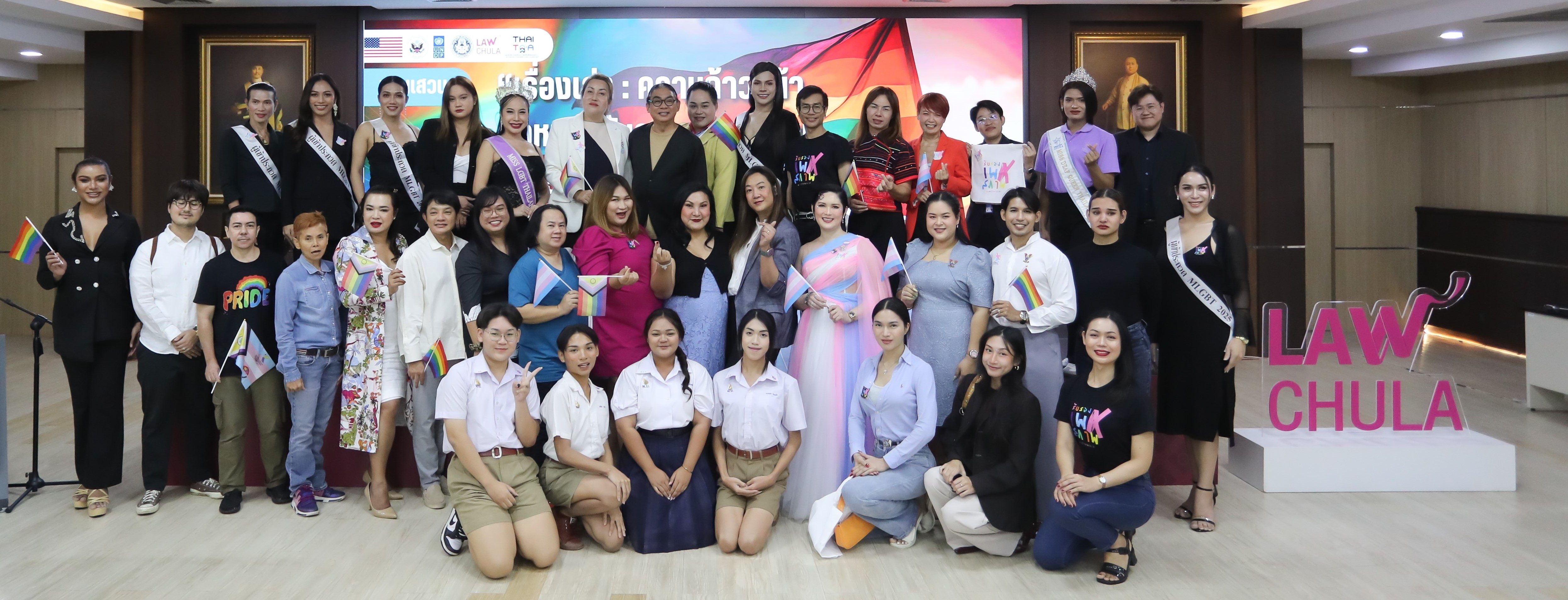
Since 2010, the Foundation of Transgender Alliance for Human Rights (ThaiTGA) has been a driving force in advocating for the rights, dignity, and well-being of transgender people in Thailand. Officially registered as a foundation in 2016, ThaiTGA works tirelessly to promote equality, improve quality of life, and eliminate discrimination against transgender individuals.
Through research, advocacy, and community empowerment, ThaiTGA amplifies transgender voices and collects vital data on gender identity, health access, and human rights experiences. This information drives policy changes, improves healthcare access, and challenges societal stigma. Additionally, ThaiTGA strengthens trans-led activism by providing training, resources, and small grants to emerging transgender advocates, ensuring they have the tools and support necessary to make a lasting impact.
For over a decade, ThaiTGA has been at the forefront of advocating for legal gender recognition in Thailand. Since 2014, we have worked tirelessly to push for policies that uphold the rights and dignity of transgender and gender-diverse individuals. In collaboration with civil society organizations, ThaiTGA has introduced the “Gender Identity, Gender Expression, and Sex Characteristics Act B.E. 256X (GEN-ACT)”—a groundbreaking bill allowing transgender individuals to have their gender legally recognized without invasive medical requirements. Alongside the government’s proposed bill by the Ministry of Social Development and Human Security, we strive to ensure that Thailand moves forward with inclusive and rights-based gender recognition laws. In 2024, ThaiTGA successfully mobilized over 10,000 Thai citizens to sign a petition supporting the GEN-ACT bill. But our work is far from over. We need your help to keep the momentum going!
Today, transgender people in Thailand—and around the world—continue to face discrimination, violence, and legislative rollbacks of their rights. The rise in anti-trans sentiment and policies globally is a stark reminder that progress is fragile and that our fight for equality must remain relentless. ThaiTGA is committed to building a safer, more inclusive society where all transgender individuals can live with dignity and without fear.
How You Can Help
By donating to ThaiTGA, you contribute to:
✅ Supporting trans-led initiatives and advocacy efforts
✅ Strengthening resources for trans activists and communities
✅ Promoting inclusive policies that affirm and protect transgender rights
✅ Combating discrimination, stigma, and gender-based violence
Your support makes a direct impact in fostering a society where every transgender person can
thrive. Stand with us—because justice, equality, and human dignity should know no borders.
Donate today and be part of the movement for trans rights!
“The board of directors retains discretion over the use of funds.”
For more information or to contribute, please contact ThaiTGA at thaitga@gmail.com or visit our website at http://thaitga.org.
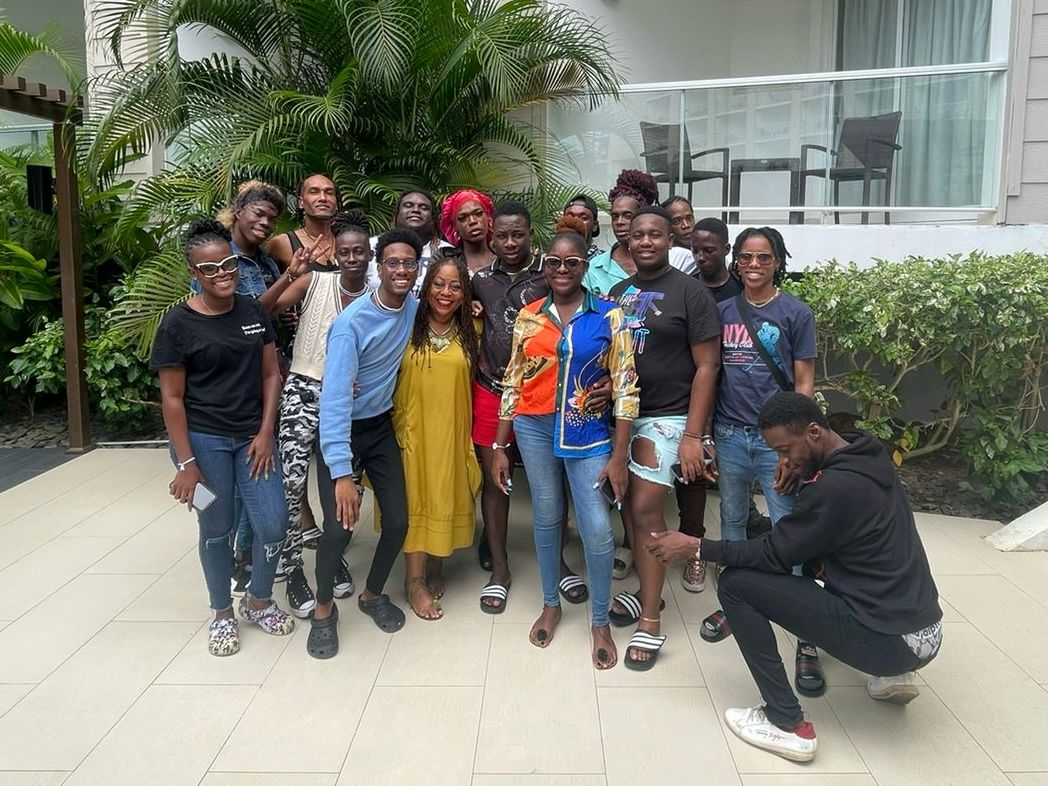
TransWave: Empowering Jamaica’s Trans Community Since 2015
Jamaica is reeling in the aftermath of Hurricane Melissa, a Category 5 storm that swept across the island, destroying homes, flooding communities, and leaving countless people without food, shelter, or safety.
While national relief efforts are underway, trans and gender non-conforming (GNC) Jamaicans — especially those who are unhoused or displaced — have once again been left out of mainstream aid and recovery initiatives.
Many of these individuals were already living in extremely vulnerable conditions, including members of the LGBTQ+ community who were rejected by their families and forced to seek shelter in unsafe spaces like the storm drains and gullies of Kingston. These areas were devastated by the hurricane, leaving many with absolutely nothing — no home, no income, and nowhere safe to go.
For Jamaica’s trans and GNC community, this disaster has deepened long-standing inequalities. Beyond the physical destruction, it has stripped away the little stability some had managed to build, exposing the urgent need for community-centered relief and inclusive recovery efforts.
How Your Support Helps
We’re raising funds to provide direct emergency relief and recovery support to trans and GNC individuals impacted by Hurricane Mellissa. Your contribution will help us:
• Deliver emergency care packages with food, water, and hygiene supplies
• Provide cash stipends to cover essential needs and replace lost items
• Secure safe and affirming temporary housing for those displaced
• Support long-term recovery and rebuilding efforts within the community
Every dollar counts. Together, we can ensure that no one is left behind in Jamaica’s recovery — and that our trans and GNC siblings receive the dignity, care, and support they deserve.
This is our moment to stand in solidarity, to rebuild with compassion, and to ensure that relief truly reaches everyone.
Donate today. Share widely. Help us restore hope.
“The board of directors retains discretion over the use of funds.”
The Damon Bolden Memorial Scholarship honors the memory of long-time Rustin Fund for Global Equality supporter Damon Bolden, beloved husband and soulmate of founder and board member Kent Klindera. Damon passed away on October 1, 2024, after a short illness.
Damon had a huge heart. He cared for so many and used his voice and organizing skills to bring joy to everyone who knew him. He was passionate about the LGBTQ+ communities around the world and loved encouraging younger activists from queer communities in his living and travels outside the US. Donations in Damon’s honor will support LGBTQ+ folks in one or more low- or middle-income countries in pursuing additional educational or vocational training. The process for accessing the scholarship(s) will be announced in the coming months. One hundred percent of your donation in Damon’s name will go towards the scholarship, and the Rustin Fund Board of Directors (who knew and loved Damon) will match up to $5000 in donations.
“The board of directors retains discretion over the use of funds.”
We here at the Rustin Fund operate as an all-volunteer organization so that all of your funding can be directed to LGBTI organizations all over the globe. However, We still have a few expenses, such as website hosting and credit card processing fees. If you would like to donate to the Rustin Fund’s operations so that we can continue to direct all campaign contributions directly to organizations in low- and middle-income countries, please donate on this page. A donation on this page may also go to one of our partners at the board’s discretion.
“The board of directors retains discretion over the use of funds.”