COPTEC is a trans-led community organization in Uganda that has long provided life-saving HIV services to marginalized populations.
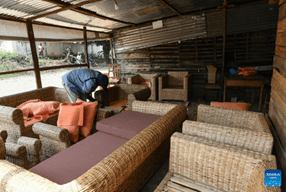
COPTEC focuses on educating our members about positive life choices that promotes long healthy lives — that’s why we have economic empowerment activities so that transwomen don’t generate money only through sex work but still can work and get paid through poultry and sponge making.
Today, amid aid cuts, COPTEC is taking a strategic and urgent step to protect its mission by building sustainable, community-owned income streams. Through its Village Savings and Loan Association (VSLA), COPTEC is transitioning toward social enterprise, ensuring continuity of HIV services while strengthening dignity, self-reliance, and economic resilience for its members.
We are seeking catalytic support to launch two practical, high-demand enterprises:
Sponge making and
Poultry rearing.
These businesses are accessible to all VSLA members, generate quick returns, and reinvest profits to scale operations over time. Sponge production will begin with 500 units sold locally, while poultry rearing will scale to 1,000 hens, creating steady income, reinforcing teamwork, and strengthening ties with the surrounding community. An investment in COPTEC is not only a contribution to livelihoods, but also a direct investment in sustaining trans-led HIV services when they are needed most.
Your donations will provide the initial funds for COPTEC get started with the sponge making and poultry rearing.
“The board of directors retains discretion over the use of funds.”
Since 2017, the regional government of Chechnya has pursued a “blood cleansing” campaign against LGBTQ+ citizens. There is no way to know how many have been tortured or killed – too often, known and suspected queer Chechens simply disappear. But hundreds have been able to escape with help from the North Caucasus Crisis Response Group(or NC SOS) – whose dangerous and urgent efforts are featured in the award-winning HBO documentary WELCOME TO CHECHNYA by filmmaker (and new NC SOS board member) David France.
Despite international sanctions, Chechnya’s genocidal campaign persists and has spread to other Russian republics. And now, in a terrible escalation, Chechen officials have begun hunting our beneficiaries even after we have helped resettle them outside of Russia. Last October, agents tracked a 23-year-old defendant in neighboring Armenia and murdered her. And in November, a 33-year-old lesbian was intercepted at an airport in the Georgian capital as she was fleeing; she turned up dead a few days later back in Chechnya.
No other initiative in the world is taking on such a perilous mission to save the lives of LGBTQ+ people. Because of our successes, the Kremlin has branded us as “foreign agents,” blocked our website inside Russia, and forced most of us into exile. Making matters worse, the collapse of all US foreign assistance has plunged us into a funding crisis. But we cannot stop this work.
We need your help. To continue saving lives, we must raise at least $275,000 in 2026. Please make your tax-deductible donation here.
“The board of directors retains discretion over the use of funds.”
PHOTO CAPTIONS
TOP:Maxim Lapunov became the first to go public about Chechnya’s official war on gays.
ABOVE, CLOCKWISE FROM TOP LEFT: Chechen officers attack a man accused of kissing another man, in a scene from “Welcome to Chechnya.” Torture victim Amin Dzhabrailov, whom we helped resettle in Canada in 2019, speaks out against the regime. Presumed dead: (from top left) Aliya Ozdamirova, Zelim Bakaev, Aishat Baimuradova, and Seda Suleimanova. Beneficiaries Ismail Isaev, who is gay, and his gender non-conforming brother Salekh Magamadov are serving long and brutal sentences in Chechnya. And NC SOS director David Isteev, as seen in “Welcome to Chechnya,” now carries out his work in exile.
MPEG is a community-led health and human rights organization – serving gay men and other men who have sex with men with lifesaving HIV treatment and prevention services, as well as other health programming such as mental health. We operate a drop-in center that helps our community access services, as well as form a sense of solidarity and community.
Following the U.S. administration’s foreign aid freeze in January 2025, across Kenya health services experienced significant disruptions. Since so many programs that were heavily reliant on U.S. support were abruptly halted, with the greatest impact on the most marginalized communities–like us! Many of us lost access to health and other social services, interrupting access to anti-retroviral treatments. We literally lost members of our community due to this abrupt cancellation.
However, MPEG refuses to close! Like our beginning where we formed with our own members’ resources, we continue to keep the lights on and serve our communities. Over the years, MPEG has created safe and inclusive spaces, reduced stigma and discrimination, expanded access to services, and established functional community clinics that serve as vital havens—particularly in our most conservative setting where equitable healthcare access remains limited.
Below are three self-reported examples of comment members
Case 1 – Anonymous Client “I had to borrow money and travel from Kangema (Murang’a County) to the MPEG drop-in center in Thika while experiencing severe pain, discharge, and itching, only to find the clinic closed and no providers available. I had to stay overnight with a friend and then travel another 50 kilometers to Nairobi the next day to access limited care at a remotely operating community clinic. It was horrible, as i experienced intense shame, pain, and stigma, including being required to disinfect bedding due to my condition; as well as now being in debt to several others.”
Case 2 – Anonymous Client “I desperatelyneeded treatment for anal warts and a refill on my HIV anti-retroviral therapy (ART). With the MPEG clinic closed, I had to go to a government-run facility near MPEG in Kiambu. It was so difficult as I was publicly humiliated by a nurse, who denied services and made stigmatizing remarks about the loss of “privileges” previously provided by community programs. I felt embarrassed, dehumanized, and ashamed; and still have this issue of anal warts and no ARVs!”
Case 3 – Anonymous Client “I was verbally harassed by strangers while returning to my dorm room after church. I heard some men start calling me names, with the situation escalating into a mob-like threat involving some motorbike riders. I tried to run away, but two of the harassers dragged me toward a thicket and made threatening, sexually violent remarks and warned me to relocate out that areas soonest to avoid recruiting young men into homosexuality. Because the program no longer exists, I could not contact the MPEG safety and security peer educator team. I fled my home in fear and stayed with friends. It’s been so difficult, as I’m constantly fearful, feel hopeless, and have nowhere to report such incidents due to fear of further humiliation by police and other government authorities.”
Case 4 – Anonymous Client
A long-term HIV-positive client with severe anal warts required urgent surgery after the closure of an MPEG-supported community clinic in Murang’a County. Unable to afford private care, MPEG staff mobilized internal resources to subsidize the procedure. During recovery, the client was temporarily hosted by an MPEG staff member with a wife and family, who provided safe accommodation. However, while physically supported, the client reported emotional distress due to discomfort and perceived stigma in the household.
These cases highlight the critical role that community-led organizations like MPEG continue to play in bridging healthcare gaps for the most marginalized populations, especially when external funding constraints limit access to essential and affirming medical services.
We estimate we need to raise $20,000 to cover bare expenses for the next year. Can you help us! From the MPEG family–a small or large donation during this holiday period can save us the embarrassment of accessing health services, walking long distances, reduce stigma and discrimination, protect lives and retain our clinical staff and operational costs.”
Wipe our tears, stand with MPEG as we resource
“The board of directors retains discretion over the use of funds.”
Photo #1: Conducting Grassroots HIV outreaches in the rural areas.
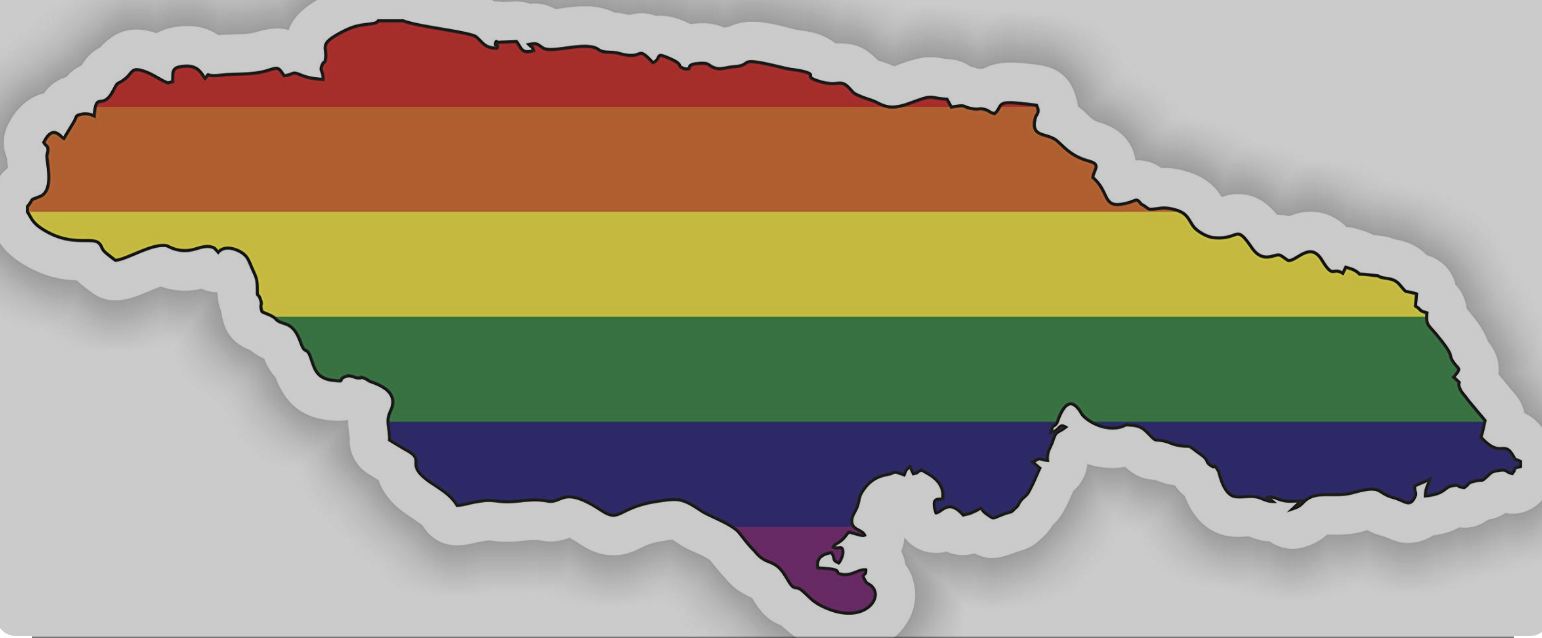
Jamaica has just endured one of its worst natural disasters with the passage of Category 5 Hurricane Melissa. The damage and disruptions across central and western parishes are immense—flooding, road blockages, power outages, loss of buildings/homes, mass evacuations, and tragic loss of life.
LGBTQI+ Jamaicans are especially vulnerable, as one in three has experienced homelessness or displacement. Unfortunately, government-led relief efforts do not always work well for our communities, as many LGBTQI+ Jamaicans are afraid to access public services due to fear and the lived reality of discrimination—over a third report they would avoid emergency aid for this reason.
Equality for All Foundation Jamaica (formerly J-FLAG), a 26-year-old social justice organization, is mobilizing to support LGBTQ+ Jamaicans affected by the hurricane. Following our relief efforts after Hurricane Beryl last year, we are now seeking to raise US$25,000 to provide emergency assistance (e.g., transportation to safe shelter, housing, clothing, and rebuilding efforts) for those most in need but too afraid to seek help elsewhere.
Please, what you can – $10, $100, $1000 — all will help us meet the needs of our communities in this time of great need!
“The board of directors retains discretion over the use of funds.”
In Nepal, HIV most notably affects transgender people and gay, bisexual, and other men who have sex with men, with added burden among sex workers from these groups; in response to this, over the past two decades, civil society has built a robust response in meeting the unique health needs of each of these stigmatized groups. For example, under the leadership of the Blue Diamond Society (BDS), Nepal’s first and oldest LGBTQI+ organization, over 6800 individuals are annually reached with HIV prevention, treatment, care, and support services, saving thousands of lives.
However, a few months ago the US government terminated HIV programing for our communities, and the BDS was forced to close 20 community clinics serving communities in 21 districts throughout Nepal; tossing hundreds of service receivers off lifesaving HIV treatment services, and closing safe space drop-in centers for community members to receive other critical health services, including HIV/STI testing, distribution of condoms and lubricants, HIV pre-exposure prophylaxis services, mental health screening, counselling and referral for treatment; and home based care for community members hard to reach. These programs were effective because they were delivered by our communities and addressed social determinants of health–offering stigma and discrimination reduction interventions, economic empowerment efforts, and simply put a place for community members to be themselves, dress up, and put on makeup in a social context where Queerness is still not accepted. With these disruptions in services, especially among urban centers along the Indian border, it is expected that a public health crisis will grow, increasing HIV morbidity and mortality among other health challenges.
To address this urgent need, BDS proposes a revitalized and integrated program that builds on our existing highly efficient and low-cost awareness efforts by deploying one peer navigator in each of the 21 previously served districts. These trained peer navigators are from communities impacted by HIV and they play a vital role as counselors and peer leaders who provide support to HIV treatment anti-retroviral treatment (ART) initiation of the newly diagnosed people living with HIV including partner-testing services, screening and prevention of interruption of treatment while also delivering home-based care and adherence support for people living with HIV who cannot leave their home or make it to HIV treatment centers. Peer navigators will also provide stigma and discrimination reduction sessions, ensuring friendly services for people living with HIV, diverse genders, and youth are available at government-run ART centers. This approach not only sustains vital services with limited resources but also ensures that our communities are not left behind in Nepal’s national HIV response.
“The board of directors retains discretion over the use of funds.”
Emergency housing, legal support, research, and crisis response for the LGBTQ+ community in Nigeria
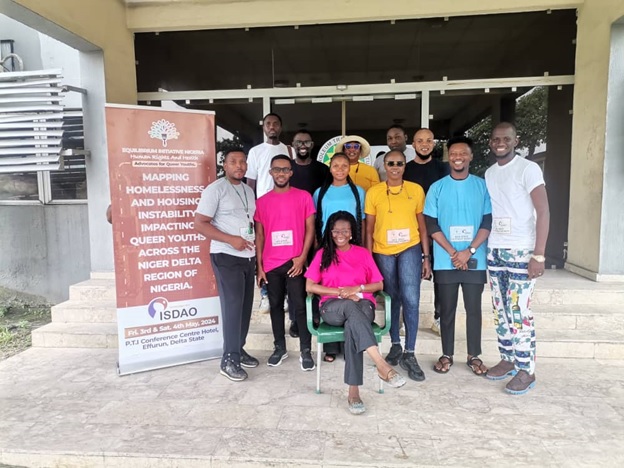
Equilibrium Initiative Nigeria (EIN) (www.ein4queeryouths.org) is a youth-led non-profit organization committed to advancing the rights of young lesbian, gay, bisexual, transgender, queer, and intersex LGBTQI+ individuals in Nigeria.
Established in 2018, EIN has become a significant advocate for the empowerment and protection of LGBTQI+ youth, particularly in the Niger Delta region. Through targeted initiatives and grassroots activism, EIN works towards ensuring that LGBTQI+ youth can live with dignity, free from discrimination and violence in a society that frequently marginalizes them.
To sustain and support our work, EIN is seeking funding from the Rustin Fund to support our ongoing initiatives and needs. Donations and funding will go to our key focus programs:
Legal Support for the Nigerian LGBTQI+ Community
EIN has been at the forefront of advocacy and litigation for LGBTQI+ rights in Nigeria, offering legal support to over 270 individuals facing discrimination and violence. By taking legal action and offering strategic representation, EIN has secured the release of 69 LGBTQI+ youth wrongfully imprisoned due to their sexual orientation or gender identity. This work highlights EIN’s dedication to challenging unjust legal frameworks and ensuring LGBTQI+ individuals can exercise their rights without fear of legal persecution.
Emergency Housing and Support
EIN provides a lifeline to homeless LGBTQI+ youth in the Niger Delta region. Over 60 individuals, including lesbian and transgender youth, have benefited from EIN’s emergency housing programs. These programs go beyond shelter, offering essential services such as medical care, psychosocial counseling, and life skills training to help youth transition into safer and more stable living conditions. EIN’s holistic approach ensures the physical, emotional, and social needs of LGBTQI+ youth are met.
Crisis Response and Strategic Development
EIN’s commitment to swift and effective responses in times of crisis is a core aspect of its work. Whether responding to individual incidents or larger systemic challenges, EIN is prepared to intervene in critical situations. The organization also works on developing strategic frameworks that address long-term challenges, ensuring that LGBTQI+ youth’s rights are considered in national and local policies. This work ensures that interventions are sustainable and well-coordinated, benefiting a wide network of LGBTQI+ individuals.
Event Organization, Community Mobilization, and Empowerment EIN believes that true change comes from within the community. The organization has made significant efforts in community mobilization and empowerment, reaching over 400 LGBTQI+ youth through public education campaigns, workshops, and community organizing. These initiatives are designed to build solidarity among LGBTQI+ individuals and empower them to advocate for their rights, ensuring they can thrive both individually and as a community.
“The board of directors retains discretion over the use of funds.”
The new US administration has issued numerous executive orders and taken several concrete steps to undermine and eliminate federal (USAID, or the US Agency for International Development) support to the world’s most marginalized communities. Almost overnight, a series of legally ambiguous actions curtailed most funding that supported the health, safety and security, economic empowerment, and advocacy for the rights of LGBTQI+ people globally.
In response, the Rustin Fund has been in dialogue with our past and current grantee partners to assess the damage. All our partners championing LGBTQI+ people in communities around the world have been impacted. Some partners, including those providing life-saving health services, have seen most of their funding cut overnight.
One of our partners in Nigeria saw a 95% reduction in their funding inflow. With one week’s notice, they had to lay off most of their staff, close their drop-in center, halt the distribution of HIV treatment medication, and advise clients to seek health (including mental health services) and the local public health hospital, where healthcare services are known to be delivered in a homo/transphobic way. Most of their clients have refused to seek those services, scared that their identities will be given to the authorities and that arrests may follow. Similarly, a Ukrainian partner reported that two grants they expected from the US State Department are no longer moving forward, disrupting plans to continue their safe space and economic empowerment programs for LGBTQI+ individuals. The list of harms goes on….
The time is now for us all to act. The Rustin Fund has secured funding to match up to $20,000 in support of urgent action grants to our existing global partners who were severely impacted by the US government’s unethical stoppage of life-saving aid. We will offer small grants (up to $5000) to support as many partners as possible in undertaking activities of their choosing. These urgent actions could take the form of bridge funding to allow partners to weather the storm, severance payments for those abruptly fired, or developing alternative fundraising strategies for greater sustainability. We know that our partners know what to do and simply need a little boost to make their visions a reality.
A few of our champions have already stepped up, with one donor increasing their tax-deductible support to the Rustin Fund three-fold, totaling $75,000 for the year. Another is asking wedding guests to donate to the Rustin Fund in lieu of gifts. Others have sent one-time donations in support.
Will you join us in making a tax-deductible donation to stem the crisis in global LGBTIQ+ health and human rights that the virtual shuttering of USAID has created?
Pictures from Men for Health and Gender Justice in Botswana – one example of how their PEPFAR/USAID funded “drop-in center” was closed in late January “indefinitely.” Globally, hundreds of thousands of LGBTQI+ individuals are not getting their HIV prevention and treatment services, as well as general health services, mental health and psychosocial support services, and economic empowerment activities, among other programs.
“The board of directors retains discretion over the use of funds.”
Based in North Central Nigeria, CHIYN supports health and economic empowerment programming for the most marginalized. They offer health education, HIV prevention/testing/treatment services, mental health services, housing for homeless youth, economic empowerment training, and job placement activities.
CHIYN researches the needs of the communities they serve, which is used to advocate for greater rights and services for these communities so that all Nigerians might enjoy their human rights. They also work with health and other social service providers to increase their capacity to serve marginalized youth.
The Rustin Fund is partnering with CHIYN for a campaign to cover the costs of purchasing a safe house and office space. They need $16,000 to purchase and restore their own building, all towards developing a more sustainable model for their efforts.
Will you support CHIYN with a tax-deductible donation?
“The board of directors retains discretion over the use of funds.”
HIV has once again become a catastrophe across Africa and Asia. 20 million people on ARV treatment have categorically been placed on death row, awaiting the illnesses that will follow the cruel and honestly criminal cuts to HIV prevention, treatment, care, and health systems supported by the new US administration. HIV transmission rates will once again mirror an explosive epidemic.
LGBTIQ+ people, adolescents, people who use drugs, pregnant women, and men at risk are most affected by the elimination of funding for social services. Even South Africa faces a collapse of our health system where more than five million people have been placed on ARV treatment. The US provided $439 million annually in development assistance to South Africa, supporting sustainability strategies for health care professionals, community-based and led prevention and treatment services (including PReP), support for orphan and vulnerable children, and services specifically meeting the unique needs of “key populations” (e.g. sex workers, LGBTQI+/queer communities, as well as services for people who use drugs). While PEPFAR’s support represents 17% of the South African government’s HIV program budget, more than 80% of community-based services essential to the success of all prevention and treatment efforts were PEPFAR-supported and are now in peril.
Across our continent, except Botswana, virtually every country is substantially dependent on the US for their HIV/TB prevention, treatment, and care programs. Most LGBTIQ+ services, including safe spaces across the continent, have been shut down. Even South Africa has seen most of its LGBTIQ+ health services shut down.
We are a coalition of individuals and organizations in South Africa convened to develop a response to the cruel and life-destroying cuts. Our efforts are directed at building a strong local coalition of, among others, people living with HIV, LGBTIQ+ communities, researchers, clinicians, religious and business organizations, broader social movements, and civil society. In undertaking work to ensure emergency continuity of services, movement, and public education, local and global activism focused on US and British corporations and campaigning for new funding sources such as India, China, and Japan. We will work with our government, businesses, individuals, and any other agency to try and mitigate the effects of the cuts.
Global HIV Treatment Coalition will employ a small secretariat. Most of the secretariat are volunteers or undertake work on behalf of the Coalition; we currently have one part-time employee. Our goal is to raise $50,000 to begin the work immediately. Lives will be lost because of this, and the re-establishment of funding is crucial. Please help us fund this vital work and reach our goal of $50,000.
Global HIV Treatment Coalition is partnering with the Rustin Fund for Global Equality in its fundraising campaign. All donations are tax-deductible in the US. Please give what you can via online submission or, if easier, mail checks to:
Rustin Fund for Global Equality 176 Bainbridge Street, Brooklyn, NY 11233
“The board of directors retains discretion over the use of funds.”
Same-sex consensual intimacy is still criminalized in five Caribbean countries (Grenada, Guyana, Jamaica, St. Lucia, and St. Vincent and the Grenadines). In many cases, repealing discriminatory legislation is complicated by religious beliefs and conservative lawmakers.
Even in Caribbean countries with some protections, members of the LGBTQ+ community still face fierce persecution and discrimination when trying to secure a job, find a place to live, access healthcare, and simply live their everyday lives. These challenges greatly impede any level of socioeconomic inclusion—further, many experience lower educational outcomes due to discrimination, bullying, and violence. LGBTQ+ people in the Caribbean need support for legal resources, safety, housing, employment, and health services.
The Caribbean Vulnerable Communities (CVC) has supported local LGBTQ+ organizations since 2004. Our direct community grants have enabled them to provide vital services to targeted groups across the Caribbean islands. Recent changes in US foreign policy have severely affected CVC’s ability to continue supporting vital work throughout the Caribbean.
“The board of directors retains discretion over the use of funds.”
HOYMAS is the only key population-led organization in Kenya dedicated to addressing anal health issues among marginalized groups, particularly men who have sex with men (MSM), male sex workers, and LGBTQ+ individuals. Stigma and discrimination within the healthcare system create significant barriers to accessing care, leaving many individuals untreated. As Kenya’s primary referral center for anal health conditions, HOYMAS provides stigma-free care for a wide range of anal health problems, including anal warts, fissures, hemorrhoids, fistulas, and anal wounds. The increasing demand for services, however, has outpaced our limited resources, threatening our ability to continue offering these essential treatments.
Anal health issues, such as anal warts, fissures, and hemorrhoids, often go untreated, leading to chronic pain, increased risk of infections, and even anal cancer. HOYMAS provides comprehensive care, including both conservative treatments and surgical interventions for advanced conditions. We also offer post-operative care in safe recovery housing, ensuring individuals aren’t displaced or stigmatized during their recovery. Our clinic also provides integrated care with STI and HIV testing, mental health support, and referrals, but the growing demand means we need more resources to continue offering these services.
To sustain and expand our work, HOYMAS is seeking funding through the Rustin Fund to support the following needs:
Surgical interventions for individuals with advanced anal health conditions, including anal warts, fissures, hemorrhoids, and other diseases.
Essential drugs and medications for managing and treating anal diseases, including analgesics, topical treatments, and medications for pain and infection management.
Expansion of our safe recovery housing program to offer secure spaces for individuals recovering from surgery, preventing displacement or stigma.
Enhanced mental health services to provide psychological support for individuals affected by anal health issues.
Cascade of HOYMAS’s anal health model to other GBMSM and key population-led clinics across Kenya, reducing the need for constant referrals and expanding access to care.
Dissemination of the newly developed anal health tools, SOPs, and guidelines, including funding for training and sensitization across clinics to ensure widespread adoption and high-quality care.
Your support can help us scale our model, reduce referrals, and ensure equitable access to life-saving anal health care for marginalized communities.
“The board of directors retains discretion over the use of funds.”
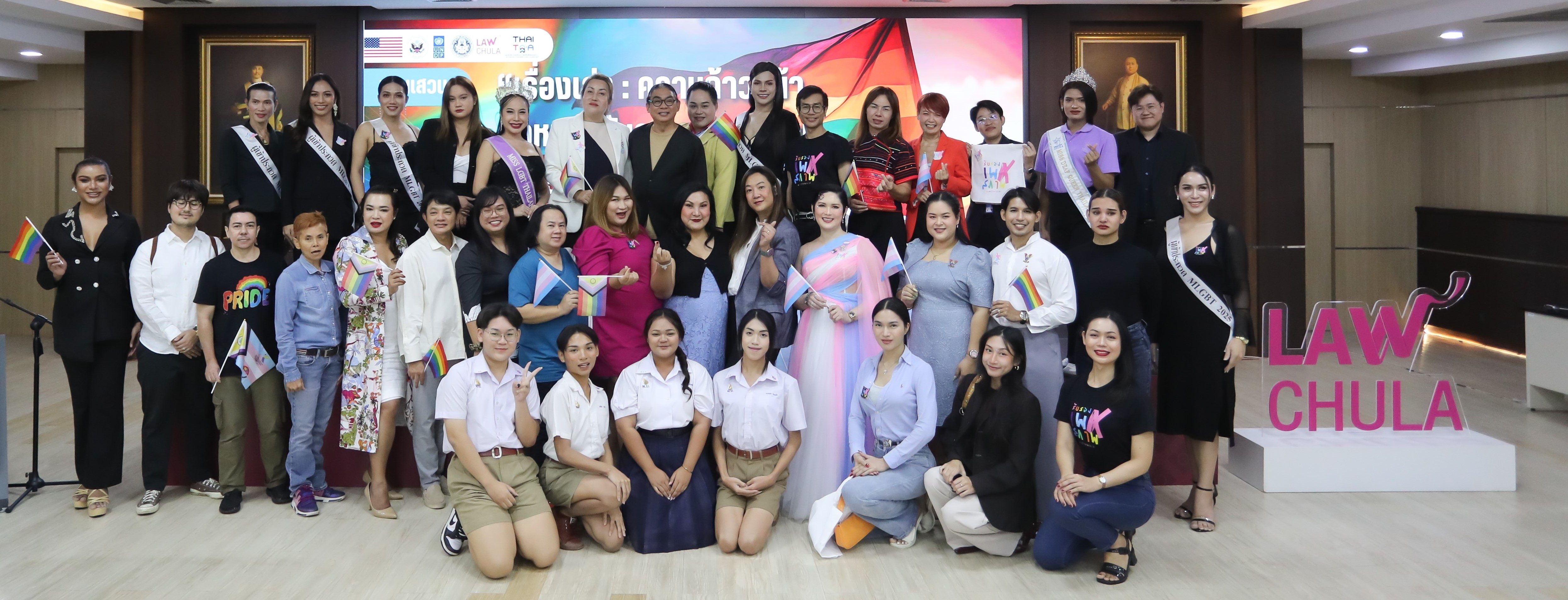
Since 2010, the Foundation of Transgender Alliance for Human Rights (ThaiTGA) has been a driving force in advocating for the rights, dignity, and well-being of transgender people in Thailand. Officially registered as a foundation in 2016, ThaiTGA works tirelessly to promote equality, improve quality of life, and eliminate discrimination against transgender individuals.
Through research, advocacy, and community empowerment, ThaiTGA amplifies transgender voices and collects vital data on gender identity, health access, and human rights experiences. This information drives policy changes, improves healthcare access, and challenges societal stigma. Additionally, ThaiTGA strengthens trans-led activism by providing training, resources, and small grants to emerging transgender advocates, ensuring they have the tools and support necessary to make a lasting impact.
For over a decade, ThaiTGA has been at the forefront of advocating for legal gender recognition in Thailand. Since 2014, we have worked tirelessly to push for policies that uphold the rights and dignity of transgender and gender-diverse individuals. In collaboration with civil society organizations, ThaiTGA has introduced the “Gender Identity, Gender Expression, and Sex Characteristics Act B.E. 256X (GEN-ACT)”—a groundbreaking bill allowing transgender individuals to have their gender legally recognized without invasive medical requirements. Alongside the government’s proposed bill by the Ministry of Social Development and Human Security, we strive to ensure that Thailand moves forward with inclusive and rights-based gender recognition laws. In 2024, ThaiTGA successfully mobilized over 10,000 Thai citizens to sign a petition supporting the GEN-ACT bill. But our work is far from over. We need your help to keep the momentum going!
Today, transgender people in Thailand—and around the world—continue to face discrimination, violence, and legislative rollbacks of their rights. The rise in anti-trans sentiment and policies globally is a stark reminder that progress is fragile and that our fight for equality must remain relentless. ThaiTGA is committed to building a safer, more inclusive society where all transgender individuals can live with dignity and without fear.
How You Can Help
By donating to ThaiTGA, you contribute to:
✅ Supporting trans-led initiatives and advocacy efforts
✅ Strengthening resources for trans activists and communities
✅ Promoting inclusive policies that affirm and protect transgender rights
✅ Combating discrimination, stigma, and gender-based violence
Your support makes a direct impact in fostering a society where every transgender person can
thrive. Stand with us—because justice, equality, and human dignity should know no borders.
Donate today and be part of the movement for trans rights!
“The board of directors retains discretion over the use of funds.”
For more information or to contribute, please contact ThaiTGA at thaitga@gmail.com or visit our website at http://thaitga.org.
Equality for All Foundation (EFAF) is the foremost human rights and social justice organization which advocates for the rights, livelihood, and well-being of lesbian, gay, bisexual, transgender, and queer (LGBTQ+) people in Jamaica. Throughout our 26-year history, our work has sought to build a Jamaican society that respects and protects the rights of everyone. Our board and staff are committed to promoting social change, empowering the LGBTQ+ community, and building tolerance for and acceptance of LGBTQ+ people.
As a part of our mission, Equality Jamaica has since 2015 successfully held ten (10) incident-free PrideJA celebrations (held from August 1 to 6) by curating safe spaces for LGBTQ+ Jamaicans to come together and celebrate their identity and being. Despite a long history of queer clubs & bars since the 70s in Jamaica, most of these spaces have never been able to last longer than a few years. For the LGBTQ+ community in Jamaica, where homophobia and transphobia remain widespread, safe spaces like PrideJA and events hosted by community leaders are some of the few places where our community can come together and be ourselves as a respite from the challenges of violence, stigma, and discrimination that many of us face on a daily basis. PrideJA has stood as a symbol of resistance as we proudly claim our queer identities and our Jamaican identities.
Three years ago, the organization embarked upon its Pride Share initiative, which saw us allowing more community leaders to host various events under the PrideJa banner as we encouraged increased community involvement in the overall planning and execution of activities. Some of these events include a Pride Forum, Health Fair, Fashion Show, the first-ever ballroom event, Doll Ball, and events specifically catering to trans people and queer women.
Funding opportunities, particularly for community-building-related activities like PrideJA, are few, and recent events have exacerbated that reality. These are critical in building and maintaining community spirit and morale. To ensure the sustainability of PrideJA, we seek, with your help, to raise US$40,000 over the next few months to make this year’s celebration a reality.”
“The board of directors retains discretion over the use of funds.”
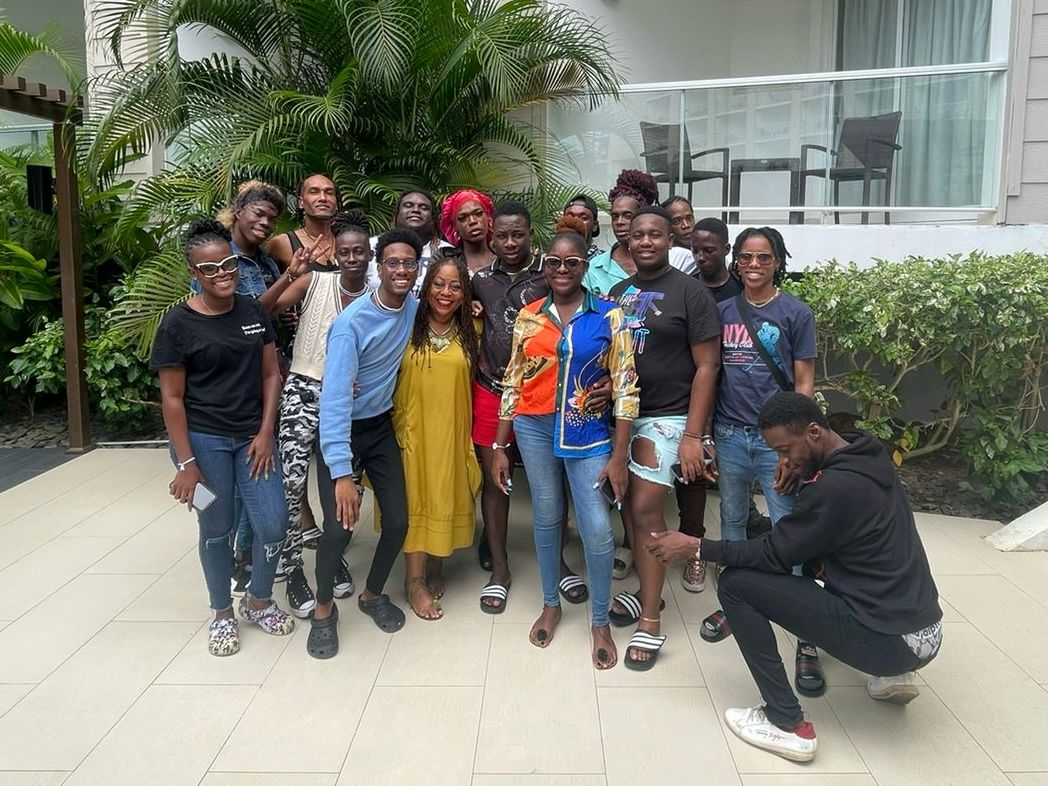
TransWave: Empowering Jamaica’s Trans Community Since 2015
Jamaica is reeling in the aftermath of Hurricane Melissa, a Category 5 storm that swept across the island, destroying homes, flooding communities, and leaving countless people without food, shelter, or safety.
While national relief efforts are underway, trans and gender non-conforming (GNC) Jamaicans — especially those who are unhoused or displaced — have once again been left out of mainstream aid and recovery initiatives.
Many of these individuals were already living in extremely vulnerable conditions, including members of the LGBTQ+ community who were rejected by their families and forced to seek shelter in unsafe spaces like the storm drains and gullies of Kingston. These areas were devastated by the hurricane, leaving many with absolutely nothing — no home, no income, and nowhere safe to go.
For Jamaica’s trans and GNC community, this disaster has deepened long-standing inequalities. Beyond the physical destruction, it has stripped away the little stability some had managed to build, exposing the urgent need for community-centered relief and inclusive recovery efforts.
How Your Support Helps
We’re raising funds to provide direct emergency relief and recovery support to trans and GNC individuals impacted by Hurricane Mellissa. Your contribution will help us:
• Deliver emergency care packages with food, water, and hygiene supplies
• Provide cash stipends to cover essential needs and replace lost items
• Secure safe and affirming temporary housing for those displaced
• Support long-term recovery and rebuilding efforts within the community
Every dollar counts. Together, we can ensure that no one is left behind in Jamaica’s recovery — and that our trans and GNC siblings receive the dignity, care, and support they deserve.
This is our moment to stand in solidarity, to rebuild with compassion, and to ensure that relief truly reaches everyone.
Donate today. Share widely. Help us restore hope.
“The board of directors retains discretion over the use of funds.”
The Damon Bolden Memorial Scholarship honors the memory of long-time Rustin Fund for Global Equality supporter Damon Bolden, beloved husband and soulmate of founder and board member Kent Klindera. Damon passed away on October 1, 2024, after a short illness.
Damon had a huge heart. He cared for so many and used his voice and organizing skills to bring joy to everyone who knew him. He was passionate about the LGBTQ+ communities around the world and loved encouraging younger activists from queer communities in his living and travels outside the US. Donations in Damon’s honor will support LGBTQ+ folks in one or more low- or middle-income countries in pursuing additional educational or vocational training. The process for accessing the scholarship(s) will be announced in the coming months. One hundred percent of your donation in Damon’s name will go towards the scholarship, and the Rustin Fund Board of Directors (who knew and loved Damon) will match up to $5000 in donations.
“The board of directors retains discretion over the use of funds.”
Although Haiti has faced instability throughout its history, the current situation of increased gang violence and political instability has crippled the country. LGBTQI+ people are particularly exposed to this violence. Fear and uncertainty have permeated the entire country, with violence reaching new records as gangs are tightening their grip on Port-au-Prince and beyond, spreading fear by sharing gruesome photos and videos of individuals being killed, tortured, LGBTQI+ persons being gang-raped or forced to have intercourse on social media. The mountain of evidence regarding human rights violations in Haiti is undeniable. There is little that has been done to secure these rights, and we cannot continue to disregard the enormity and the horrific nature of the death toll.
Foundation SEROvie, founded in 1999, is one of the only LGBTQI organizations working in Haiti. SEROvie pairs health promotion for the LGBTQI community with human rights advocacy and socioeconomic empowerment. Today, SEROvie works on numerous program interventions: health care and essential nutrition, quality education for the LGBTQI and their children, and household economic security benefiting 22,000 clients and their families in 36 communities.
Through these challenging times, SEROvie is continuously assessing the situation in the various areas in which they work across the country, and the problem is grave for most, leading to the forced reduction of services. SEROvie’s Drop-In Centers (DICs) have played an essential role as a safe haven. They are continuously working to deliver health and psychosocial services under horrific conditions.
At this historical moment in Haiti, SEROvie staff are still delivering lifesaving health and psychosocial services and are seeking funds to:
● Keep the Drop-In Centers up and running
● Provide assistance to LGBTQI+ internally displaced persons. Priority will go to the equitable provision of medical aid, distribution, and management of resources, such as safe and potable water, food and medical supplies, and financial aid.
● Ensure immediate access to adequate psychosocial and medical care to prevent further physical and psychological harm to the growing LGBTQI+ population victims of the current violence.
Please consider donating. The Rustin Fund will match your donations up to $5,000.
MATCHING OPPORTUNITY –The Rustin Fund will match up to $5000 in funds raised before 31 December 2023!
2023 witnessed an uptick in stigma, discrimination, and violence towards LGBTQI+ communities in Sub-Saharan Africa. Most notably, restrictive legislation in Uganda, which penalizes those convicted of “aggravated homosexuality” with a death sentence, passed with nearly unanimous support in Uganda’s parliament. While the situation in Uganda remains challenging, neighboring countries throughout East Africa have been swept up in this anti-LGBTQI+ sentiment. One of those countries is Burundi, the only country in Africa to actually criminalize same-sex behavior in this century, where the trend has been towards decriminalization.
In honor of Bayard Rustin’s legacy, the Rustin for Global Equality is partnering with MOLI to support a scholarship program for LGBTQI+ students in Burundi through the Twiyubake Scholarship Fund. With all the challenges, we feel investing in the education of young people is vital to overcoming stigma, discrimination, and violence. Data suggests that education is a strong factor in alleviating poverty and is one of many long-term strategies for reducing hate and promoting more love.
Serving its community for almost 15 years, MOLI works with other Burundian human rights organizations in offering an open and participatory process for students to apply for scholarships. MOLI estimates $2100 covers the average annual tuition and living expenses for one full-time academic student at a university in Burundi, and $750 covers the average tuition and living expenses for one student to attend a certified vocational program, such as in healthcare, agriculture and livestock farming, construction, carpentry, or fashion/tailoring.
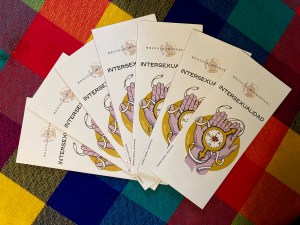
Xtagabe’ñe is the area for critical reflection and new narratives on intersex that makes up the Brújula Intersexual project. In this area, we intend to develop creative projects based on the intersex experience that help strengthen the Spanish-speaking intersex community in Mexico, Latin America, and the Caribbean from an intercultural, intersectional, and decolonial approach.
The word Xtagabe’ñe comes from the Zapotec of the Isthmus of Tehuantepec and means “Water lily” or “Lotus flower.” The Xtagabe’ñe is a hermaphrodite flower that has around 70 variations or species, each with its shapes, colors, and sizes. These flowers usually grow solitary, without forming clusters, but several can be found in the same lake or pond. Intersex people often grow up isolated from other people with similar sexual characteristics to ours. Even if there are several in the same town or city, we don’t know each other, but one day we may meet.
The petals of the water lily always come out clean and intact, even though they grow in the mud. Intersex people grow up surrounded by difficulties and unpleasant situations that, just like the stem of the water lily, remain underwater, hidden from everyone around us; however, despite this, we get up and get ahead. Through the intersex movement, we fight to protect our human rights so that our right to bodily autonomy and self-determination is respected and the integrity of our bodies is preserved in the same way that the xtagabe’ñe flower maintains the integrity of its petals.
The project in the Area of Critical Reflection and New Narratives of Brújula Intersexual consists of the creation of a virtual fanzine about Intersexuality, through which it is intended to make a compilation of illustrations and narrative and lyrical texts that reflect the experiences of intersex in different sociocultural contexts of Mexico, Latin America, and the Caribbean.
To carry this out, we want to raise $5,000 or more, which will be used to remunerate intersex people who collaborate in producing the material. The number of people participating and their remuneration will depend on the funds raised.
Many people who will participate in this project are going through a difficult economic situation. Some have not been able to get a well-paid job due to the discrimination they experience daily, which makes it difficult for them to cover their most basic personal expenses such as food and housing, or they have difficulties covering medical costs because of the consequences left on their bodies the medical protocol. In this way, the remuneration they receive for their participation will help them cover these expenses.
Thanks so much for supporting Brujula and their community efforts!
Please help support Aleanca in protecting the rights of LGBTQI+ people in Albania.
Aleanca is a grassroots LGBTQI organization in Albania. In recent years, they trained at least 500 police officers, 200 teachers, 100 school psychologists, journalists, and family doctors. They advocate for same-sex partnerships and gender recognition and work to ensure all Albanians can live freely with dignity and without discrimination. During the pandemic, they provided food packages to more than 500 LGBTI people and rent reimbursement to at least 100 community members. They continue to distribute food packages and rent/medication reimbursement due to the country’s economic crisis and overall lack of services. They also provide rapid HIV testing and access to mental health care.
Please help them further equality and inclusion by donating to their campaign to support the most marginalized in their community who are still hit hard by the lasting impact of COVID and the economic impact of inflation.
Standing for HIV, Equality, and Rights, the HERO Awards is an annual event that acknowledges outstanding service to the HIV response in Asia and the Pacific, and to the region’s lesbian, gay, bisexual, transgender, queer, and intersex (LGBTQI+) communities
The 6th HERO Awards 2022 will be hosted under the concept of “Unity&Diversity” at Australian Embassy, Bangkok on Friday 25 November 2022. The event is also a fundraiser for the Bangkok-based APCOM Foundation, a leading NGO which works to fight HIV and advance LGBTQI health and rights across the Asia Pacific region. APCOM partners with over 200 community organizations in 35 countries to promote the health and human rights of LGBTQI+ people. APCOM works with communities, governments, and development agencies to ensure LGBTQI+ people are included, as well as fight the impact stigma, discrimination and violence have on LGBTQI+ people.
You can also be a hero!
APCOM’s survey of the LGBTQI+ situation in Thailand and in the region during the COVID-19 pandemic found that mental health issues mainly in anxiety, depression, and helplessness, and hopelessness due to joblessness and/or loss of income, particularly for trans people and people living with HIV. Some respondents reported cases of discrimination and violence due to their sexual orientation and gender identity, and/or living with HIV.
You can be a hero by supporting APCOM emergency fund and sponsoring the event to ensure that those most marginalized and affected by the pandemic can rebuild their livelihoods. The Rustin Fund for Global Equality is partnering with APCOM, a long-standing grantee partner, to support a fundraising campaign linked to the HERO awards. Please consider making a tax-deductible donation via the Rustin Fund for Global Equality. 100% of your support will go directly to APCOM for emergency support to LGBTQI individuals in the Asia-Pacific region.
#HEROAwards2022 #Unity&Diversity
To find out more about the HERO Awards, check here